Which Critters Tend to Be Most Common in North York Homes?
For North York residents, infestation concerns often mirror the area’s housing mix, weather patterns, and urban pressure. With high-rise condos, apartment buildings, older detached homes, and semi-detached homes, the factors that attract pests can change from one street to the next. That is why pest control North York services often deal with different issues in basements, attics, garages, kitchens, and shared building spaces across the neighbourhood.
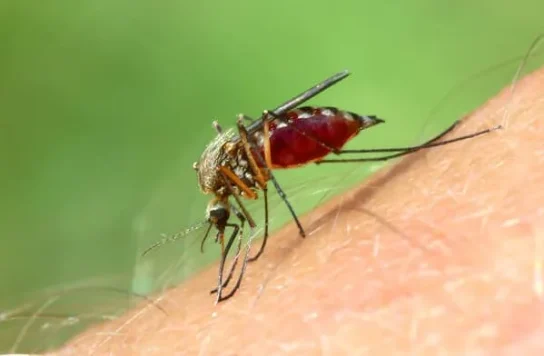
North York sits within Toronto’s wider urban landscape, where dense neighbourhoods, waste collection areas, and closely packed properties can support rodent and insect activity. Combine the GTA’s seasonal temperature swings, and it is easy to see why certain https://sites.google.com/view/pest-control-in-north-york/ pests show up at different times of year. Cold winters send mice and rats indoors, while warmer months lead to more ants and wasps. Recognizing these patterns is the first step in prevention and faster treatment.
Why North York Homes Attract Various Pests
North York’s North York climate features cold winters, wet shoulder seasons, and humid summers, all of which influence pest behaviour. As temperatures drop, pests search for warmth, shelter, and access to food. That often means basements, attics, garages, and wall voids become harbourage. In spring and summer, moisture and food sources become more available, so insect activity usually rises.
The area’s urban density also matters. In a dense part of Toronto, pests can move between buildings, laneways, utility spaces, and waste areas more easily than in a rural setting. A problem in one unit or one building can spread into nearby homes if entry points are not sealed and monitoring is not in place. This is especially true in a shared building, where pests can travel through pipes, cracks, and shared walls.
Older housing in North York can be more vulnerable because small gaps, ageing foundations, and worn weather seals create entry points. Older detached homes and semi-detached homes may have unsealed cracks, utility penetrations, and basement moisture issues that make them attractive to pests. Even in well-kept properties, a small maintenance issue can lead to an infestation if it goes unnoticed.
Seasonal pest activity is another major factor. In warmer weather, ants and wasps are more active. In colder months, rodent control becomes a priority because mice and rats seek indoor shelter. This seasonal shift is why prevention and inspection should happen year-round, not only after pests become obvious.
The Most Common Pests Found in North York Houses
Across North York, the pests homeowners most often deal with include ants, cockroaches, mice, and bed bugs. These pests flourish for different reasons, but they possess one thing in common: they take advantage of food, moisture, hidden access routes, and human activity.
Within condos and apartments, pests can spread through shared building infrastructure and adjoining units. In detached homes and semi-detached homes, basements, attics, and garages are frequent problem areas. In both cases, sanitation, routine monitoring, and prompt insect control or rodent control can make a major difference.
Ants in Kitchens, Basements, and Around Foundations
Two of the most frequent ants in North York are carpenter ants and pavement ants. Carpenter ants are especially worrying because they often build nests in wet or damaged wood rather than simply foraging for food. Pavement ants are commonly seen near sidewalks, parking areas, and building bases, then move indoors in search of food crumbs and dampness.
Dampness is a major reason ants appear in basements and around kitchens. Dripping pipes, damp storage areas, and poor ventilation can create the kind of environment ants favor. Around the outside of the home, foundation cracks and gaps near utility lines can allow colonies to enter and set up nesting sites inside walls or under flooring.
If you see trails of ants near sinks, baseboards, or basement windows, it often means leftover food or moisture is accessible. Clean habits helps, but persistent activity usually suggests a larger nest nearby. In that case, inspection is important so the source can be found before the infestation spreads.
Roaches in Shared and Detached Homes
This cockroach species are one of the most frequent cockroach species in North York homes, especially in apartments and condos. They are strongly linked to kitchens, bathrooms, and other warm indoor areas where food, water, and hiding places are easy to find. Poor kitchen sanitation can accelerate the problem, but even clean homes can be affected if roaches are entering from nearby units.
This is the spot where shared walls play an important role. In a shared property, cockroaches can travel between units through wall openings, plumbing lines, and utility spaces. Humidity also has an impact, because moist areas give roaches the conditions they need to survive and reproduce. In detached homes, basements, laundry rooms, and storage areas can create similar conditions if moisture issues are present.
Because cockroaches reproduce rapidly, early monitoring is important. A few sightings in the evening may suggest a larger population hiding behind appliances, under cabinets, or inside cracks. Professional treatment often includes targeted extermination along with sanitation and exclusion measures to reduce future activity.
Mice and Rats in Garages, Attics, and Basements
North York homes commonly experience house mice and Norway rats. Mice are small enough to enter through tiny entry points, while Norway rats can use larger gaps around doors, vents, and foundation openings. Once inside, they commonly nest in basements, attics, garages, and wall voids where they can keep out of sight and close to food and water.
These rodents are often attracted by food storage areas. Open cereal boxes, unsealed pet food, pantry items, and cluttered storage rooms can all support activity. Droppings, gnaw marks, and scratched packaging are common signs. In colder months, they move indoors more aggressively because outdoor conditions become harder to tolerate across Toronto and the GTA.
Rodent control in North York often requires a combination of exclusion, cleanup, and monitoring. Sealing entry points is essential, but it is equally important to identify nesting sites and remove the conditions that attract rodents in the first place. Without that follow-up, mice and rats can return fast.
Bed Bugs in Apartments, Condos, and Shared Buildings
Bed bugs are especially common in apartments, condos, and other multi-unit buildings because they spread through travel, shared walls, and second-hand items. They are not caused by poor housekeeping alone. Instead, they often enter through luggage, clothing, used furniture, or movement between nearby units in a shared building.
An early sign is often bed bug bites that appear after sleeping, though bites alone are not enough to confirm an infestation. Tiny marks on bedding, shed skins, and live insects near mattress seams, bed frames, or upholstered furniture may also appear. Because bed bugs hide in tiny cracks and can survive for long periods without feeding, they are difficult to eliminate without professional help.
Travel exposure is a common way North York residents bring bed bugs home after trips, stays, or even using shared transit and waiting areas. If you live in a condo or apartment and suspect bed bugs, fast inspection and coordinated professional treatment are important so the issue does not spread to other units.
Common Insects North York Residents Regularly Encounter
Aside from the main household pests, North York residents also encounter spiders, wasps, silverfish, and moths. Although these pests are not always as disruptive as rodents or cockroaches, they can still signal hidden moisture, clutter, or access issues.
Spiders often get into homes in search of prey and may be more noticeable in basements, garages, and around window frames. Wasps are a bigger issue in warmer months when outdoor nests become active around eaves, decks, and rooflines. Silverfish prefer humid indoor spaces and are often found in basements, bathrooms, and storage areas. Moths may harm clothing, carpets, or pantry items if storage conditions are poor.
These pests can be minor at first, but recurring sightings may indicate broader prevention needs, especially if there are moisture issues or cluttered nesting sites inside the home.
Seasonal Pest Concerns in North York
Seasonal changes drives pest activity across North York and the broader Toronto area. Spring pest treatment typically targets ants, early insect activity, and assessment of exterior entry points after winter thaw. As temperatures rise, pests become more mobile and more visible, especially near foundations, patios, and kitchens.
Summer usually brings more wasp problems, along with ants and other insects that thrive in warm weather. Outdoor nesting sites around eaves, sheds, and decks become active, and food waste from barbecues or outdoor gatherings can attract pests close to the house. Keeping garbage areas tidy and watching for nests early helps reduce problems.
In fall, autumn rodent prevention becomes crucial. As outdoor temperatures drop, mice and rats move toward warm shelter, and North York homes with small entry points are prime targets. This is often when homeowners notice more scratching in walls, droppings in storage spaces, and signs of gnawing around packaging or vents.
Winter infestations are common in the GTA because pests are driven indoors by cold weather. Rodents are the biggest concern, but cockroaches can also remain active inside heated structures. Condos, apartment buildings, and older homes with basements are especially vulnerable during prolonged cold spells.
Indicators You Could Need pest control North York
Spotting early warning signs can allow you to avoid a more serious pest issue. One of the most obvious signs is droppings, particularly in food storage areas, under sinks, along baseboards, or in storage areas. Mouse and rat droppings usually appear in places where rodents move frequently.
Gnaw marks are another important clue. Rodents often chew on food packaging, wood, plastic, and electrical wiring. This can create both pest problems and safety risks. If you notice shredded paper, nesting material, or damaged insulation in an attic, basement, or garage, that can also indicate rodent activity.
Watch for stains or grease marks along walls, around pipes, and near holes where rodents travel repeatedly. Cockroaches may leave dark spotting near kitchens or bathrooms, while bed bugs can leave small stains on sheets or mattresses. These signs are simple to overlook unless you inspect carefully.
In addition, seeing live insects during the day can suggest a larger issue. Ant trails, roaches in kitchen cabinets, or wasps entering and exiting a roofline opening should not be ignored. The earlier the problem is identified, the easier it is to control.
How to Avoid Frequent Household Pests All Year
Strong prevention begins with sealing entry points. Check for cracks in foundations, spaces around pipes, broken screens, loose door sweeps, and openings near vents. Even small gaps can allow mice, insects, and other pests, especially in older North York housing where materials have shifted over time.
Food storage is just as important. Store pantry items in sealed containers, wipe away crumbs promptly, and avoid leaving pet food out overnight. In kitchens, sanitation reduces the draw for ants, cockroaches, and rodents. In garages and basements, avoid storing food in cardboard boxes that pests can chew through.
Moisture control can reduce activity from ants, silverfish, cockroaches, and even rodents that seek water. Address leaks quickly, use dehumidifiers where needed, and ventilate basements and laundry areas. Damp conditions create ideal harbourage for pests, so reducing moisture issues often reduces pest pressure too.
Regular property maintenance also matters. Clean gutters, trim vegetation near the foundation, repair damaged screens, and keep waste bins sealed. If you live in a condo or apartment, report maintenance concerns quickly because shared building issues can affect multiple units. Prevention works best when both the home and the surrounding property are maintained consistently.
When to Call a Local Pest Control Professional
If you see ongoing signs of pests, it is the right time for an assessment by a local expert. A professional can pinpoint the pest species, identify harbourage, and decide whether the issue is isolated or part of a broader building problem. This is especially helpful in North York’s condos, apartments, and other shared structures, where pests can move between units.
In many cases, homeowners need several steps. Effective extermination may be needed for active infestations, but long-term results usually depend on integrated pest management. That means using identification, monitoring, sealing entry points, sanitation improvements, and targeted treatment rather than relying on a single product or one-time visit.
North York pest control services are especially useful when a problem keeps returning, when pests are hiding in basements or attics, or when the building type increases spread risk. Whether the issue is rodents in a garage, roaches in a kitchen, or bed bugs in a multi-unit building, professional treatment can decrease the chance of the infestation getting worse.
If you are unsure whether the issue is minor or serious, a professional assessment can spare time and prevent damage. Early intervention often means reduced disruption, lower repair risk, and a more complete solution.
Frequently Asked Questions About North York Home Pests
What pest is most common in North York homes?
The most common pests in North York homes are usually ants, cockroaches, mice, and bed bugs. The exact issue depends on the property type, with condos and apartments often seeing more cockroaches and bed bugs, while detached homes and semi-detached homes may struggle more with ants and rodents.
Are cockroaches or mice more common in North York?
Both are common, but the answer depends on the building. In apartments and condos, German cockroaches can be a major issue because of shared walls and shared building systems. In older detached homes, basements, garages, and attics often make mice more common, especially in colder months.
How do I know if I have bed bugs in my North York apartment?
Look for bed bug bites, tiny dark marks on bedding, shed skins, and live insects near the mattress, bed frame, or furniture. Because bed bugs spread easily in apartment buildings and condos, professional inspection and control are usually the best next step if you suspect them.
Why do pests come into North York homes in the fall and winter?
Pests enter homes when outdoor temperatures drop. In fall and winter, mice and Norway rats look for warm shelter, food, and nesting sites inside homes, garages, and basements. Cockroaches can also survive inside heated buildings, while cracks and entry points become more important as pests seek protection from the cold.
When should I call pest control North York services?
You should call pest control North York services when you see repeated droppings, gnaw marks, stains, live insects, or signs of nesting. If the issue involves a shared building, bed bugs, rodents in hidden areas, or pests returning after cleanup, a local professional can provide inspection, extermination, and integrated pest management for better long-term control.