Safe for Pets Pest Removal in Windsor, ON

Why Pet Safe Pest Control Matters in Windsor Homes
For homeowners looking for pest control Windsor solutions, pet well-being should be part of the discussion from the very first inspection. In homes with dogs, cats, rabbits, birds, or other small pets, the goal is not just to remove household pests—it is to do it in a way that supports family health and keeps exposure low. That is the core idea behind pet safe pest control and pet-friendly pest control: effective control without putting animals at unnecessary risk.
In Windsor, ON, this matters for more than one reason. Many neighbourhoods have historic housing stock, especially in places like Walkerville, South Windsor, and Riverside, where small gaps, utility penetrations, and aging foundations can create easy entry points for pests. Windsor’s riverfront location and proximity to the Detroit River also mean pests can move through the area more consistently, and border traffic can contribute to year-round re-infestation risk. Add warm, humid summers and colder winters that push rodents indoors, and you have a setting where prevention and careful treatment planning really matter.

Pet owners often worry that any treatment means their animals must be exposed to harsh chemicals. That does not have to be the case. A qualified provider of pest control Windsor support can use integrated pest management, low-toxicity pest treatments, and targeted treatment methods to reduce risk while still addressing an active infestation. The key is choosing a service that understands both pest biology and pet behaviour.
When a home has pets, the treatment approach should also consider sanitation practices, monitoring, and exclusion work. That means solving the underlying conditions that attract pests, including food sources, moisture, clutter, and harborage areas. It also means using the smallest practical amount of product in the safest possible way. The most reliable results usually come from a family-friendly, environmentally conscious plan focused on long-term prevention, not just a one-time spray.
Common Pests in Windsor and the Risks They Present to Pets
Homes in Windsor face a large mix of unwanted insects, and some present more danger to pets than others. Some of the most usual are ants, mice, cockroaches, and fleas, but homeowners also see spiders and wasps around home perimeters, garages, porches, and yards. Every pest brings its own safety risks, especially in homes where animals move freely between living spaces, basements, and backyards.
Ants are often attracted to pet food bowls, crumbs, and water sources. While most ant problems are more of a nuisance than a direct hazard, some species can contaminate food and create repeated trails through kitchens and feeding areas. If bait is used incorrectly, pets can try to sniff at or chew on it, so where it is put matters.
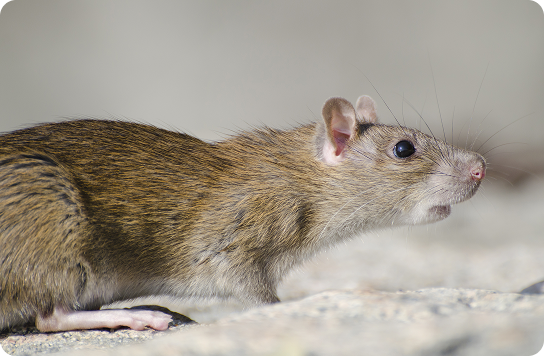
Mice and other rodents are a larger concern because they can spread disease, leave droppings, and contaminate food storage areas. Their nests often remain in wall voids, attics, basements, or behind appliances. In older Windsor homes, especially near the riverfront or in established neighbourhoods with aging structures, small cracks and utility gaps can become active travel routes. Pets may also be exposed to secondary risks if they stalk or mouth a rodent.
Cockroaches are another major issue because they thrive in warm, damp conditions and can spread allergens. Pet bowls, warm appliances, and cluttered storage areas can support activity if sanitation is poor. A cockroach problem is often a sign that the home has moisture or food access issues that should be addressed alongside treatment.
Fleas are especially annoying for pet owners because they can spread quickly from animal to carpet, bedding, and upholstery. Even when a pet has flea prevention medication, an indoor flea infestation can still persist in the environment. Pets with flea allergies may scratch, bite, and lose fur, and small pets can become stressed from constant irritation.
Spiders are often less of a pet-related hazard, but they can signal other insect activity that serves as prey. Stinging wasps can be hazardous if they nest near doorways, eaves, decks, or play areas, since curious pets can be stung. In every case, a well-planned pest control plan should match the pest species, the home layout, and the presence of animals.
How Pet Safe pest management Works
Effective pet-safe pest control is based on IPM, a approach that centers on inspection, prevention, and accuracy. Rather than relying on broad chemical treatments, a technician identifies the pest, finds out how it is moving in or remaining, and applies the most careful solution. This approach is especially useful in homes with pets because it minimizes exposure while still delivering effective control.
The treatment usually starts with a detailed assessment. A licensed technician checks basements, kitchens, attics, utility openings, garages, vents, and exterior gaps to locate points of entry and signs of shelter areas. They may look for droppings, nesting material, grease marks, feeding trails, moisture, and damaged food packaging. In Windsor homes, this step is critical because older construction, riverfront humidity, and seasonal temperature swings can all influence pest movement.
Once the inspection is complete, the technician creates a service plan tailored to the infestation and the household. That plan may include reduced-toxicity pest control, focused application, and selective treatment in narrow areas where pests actually travel. Products are chosen for low-odour performance and minimal exposure wherever possible, which helps keep the home more low-chemical in the spaces pets use most.
One of the biggest advantages of this approach is precision. Rather than treating large surfaces, a technician may apply materials only to cracks, voids, or hidden zones that pets cannot access. Ongoing residual effect can then continue working in those protected areas without constant reapplication. The goal is not to flood the environment with product; it is to make the environment less hospitable to pests.
Barrier work is also part of the process. Closing openings, repairing screens, and closing off access routes reduce future problems and improve ongoing prevention. In many cases, the best results come from combining treatment with habitat changes, sanitation practices, and ongoing observation.
Animal-Friendly Treatment Options Worth Asking About
As you compare pet-friendly pest control options in Windsor, ask directly what substances and devices will be used around your pets. A trusted company should be able to describe how each option works, where it will be placed, and what protective measures are needed.
Bait stations are commonly used for rodents and some insects. They are designed to hold bait in a tamper-proof station, which minimizes access for pets and children. Placement is important, and stations should be installed in protected, low-traffic areas rather than open floors or pet play zones. A technician should clarify why each station is positioned where it is and how it fits into the overall treatment plan.
Gel bait can be effective for cockroaches and some ant problems. Because it is applied in minuscule amounts to hidden cracks and voids, it is often a sensible choice for homes with animals. The product should never be left exposed, and the technician should discuss any risk of contact if pets are especially curious or if the home has low furniture or tight crawling spaces.
Traps are another pet-conscious option, especially for monitoring and control. Snap traps, glue-free devices, and specialized capture tools can be set in locations that pets cannot reach. Traps are often paired with inspection and exclusion to decrease population pressure without broad chemical use.
Barrier treatments may be used around exterior foundations, cracks, and other pest access areas. These applications can help prevent pests from entering in the first place, particularly when combined with sealing work and yard improvements. In an environmentally conscious approach, the technician focuses on exterior hotspots rather than treating the entire home unnecessarily.
Ask whether the provider uses low-toxicity pest treatments, how they manage minimal exposure, and whether their process includes a clear service guarantee. The best companies will describe both the pest control method and the pet safety precautions in plain language.
What Windsor Pet Owners Should Do Ahead of and Following Service
Ahead of a service visit, pet owners should get the home so the technician can work smoothly and safely. If the treatment requires it, arrange pet relocation so animals are away from the house or placed in a secure room that will not be treated. Even for a pet safe service, this step can reduce stress for both the pets and the technician.
Remove pet bowls, toys, litter boxes, bedding, and food containers from treatment areas when asked. Good preparation often includes light cleanup, especially around kitchens, mudrooms, and basement storage. If you have seen droppings, crumbs, or pet food residue, cleaning and wiping surfaces can help improve product performance and reduce food sources for pests. These sanitation practices also reduce the chance that an infestation returns.
Post service, follow the technician’s instructions carefully. The most important detail is usually the re-entry time. Some treatments allow a quick return, while others need a longer waiting period depending on the product, application zone, and pest type. Do not let pets back into the space early just because the area looks dry. Odour may be low, but the home still needs to meet the stated safety interval.
Once pets are allowed back inside, continue with monitoring. Check for missed food spills, droppings, or signs of pest movement in the days after treatment. If the technician recommended specific cleaning steps, wait the suggested amount of time before vacuuming treated cracks, baseboards, or bait-adjacent areas so the treatment can do its job.
For homeowners in Windsor, ON, especially those in older houses or homes near the riverfront, aftercare is just as important as the initial visit. The best results come from combining treatment with consistent prevention and a realistic understanding of how pests move seasonally.
Selecting a Pest Control Company in Windsor, ON
Picking the best provider for pest control Windsor means looking beyond a fast promise of immediate results. First by asking whether the company sends a licensed pest control technician. Licensing matters because it suggests the person is familiar with product safety, pest behaviour, application methods, and regulatory requirements.
Then, ask about the inspection process. A good provider should offer a careful inspection before recommending any product. They should identify the pest, explain the source of the issue, and outline the treatment plan in clear terms. If a company wants to spray first and ask questions later, that is a red flag—especially in a home with pets.
Local knowledge is also important. A company with local experience will understand Windsor’s older housing, riverfront moisture, warm and humid summers, and winter rodent pressure. They will also know that homes in South Windsor, Walkerville, and Riverside may have different structural features and pest patterns than newer subdivisions. That context improves both treatment and prevention.
Inquire whether the company offers a written service guarantee. While no business can promise pests will never return, a strong guarantee shows confidence in the process and often includes follow-up support if activity continues. Also ask how the company handles pet safety: What materials are used? Where are they placed? What is the re-entry time? How is accidental contact prevented?
Finally, look for a provider that understands pet-friendly pest control as a system, not just a slogan. The best companies focus on effective control, minimal exposure, and practical prevention so your home stays safer over the long term.
Tips for Prevention for Windsor Homes with Puppies, Kittens, and Tiny Pets
Prevention is one of the smartest ways to minimize the need for repeated treatment. In animal-friendly homes, small daily habits can make a major difference. Start with food storage. Store dry pet food in sealed containers, avoid leaving food https://caledon-onmw526.cloudhinter.com/posts/sarnia-on-vs-windsor-on-top-spots-to-visit-and-stay out overnight, and wipe up spilled kibble promptly. Even tiny crumbs can attract ants and invite cockroaches.
Consistent sanitation is just as important. Wash bowls, clean feeding stations, and vacuum around pet areas often. If pets eat in the kitchen or basement, those spaces need added attention. Removing food residue and moisture helps remove pest attractants and cuts down on harborage.
Outside the home, pay attention to yard maintenance. Trim vegetation away from the foundation, remove leaf litter, and store firewood away from walls. Make sure garbage bins sealed and clean up spilled birdseed or compost. Around Windsor properties, especially near older fences, sheds, and detached garages, exterior clutter can shelter rodents, spiders, and wasps.
Sealing cracks is another essential step. Check around utility lines, vents, basement windows, door sweeps, and foundation gaps. Even small openings can become major entry points for pests. Because Windsor’s older homes often have more natural settling and wear, this step is especially valuable in preventing repeat infestations.
Also pay attention to pet habits. Cats may explore basements and crawl spaces, dogs may sniff along baseboards, and small pets may be housed close to floors where pests travel. Keeping those areas well maintained and secured reduces the chance of contact and supports long-term prevention.
At what point to Call Specialized Pest Control Windsor Service
Some pest issues can be lessened with preventive measures, but a full pest control Windsor service is the best call when the warning signs are clear. The clearest infestation signs include noticeable pests during the day, ongoing sightings in the same area, and evidence that the problem is getting worse rather than shrinking.
One more important indicator is odor. A musty greasy, or acidic smell in a basement, kitchen wall, or enclosed storage space can point to rodents, cockroaches, or hidden nesting activity. Odour is especially worth investigating in older Windsor homes where moisture and hidden voids can leave pest activity harder to spot.
Droppings are one of the most visible signs that a pro is needed. If the source is mice in a pantry, cockroaches behind appliances, or something larger in a garage, droppings signal ongoing movement and possible contamination. If you are finding them over and over after cleaning, the problem is not solved.
Recurring problem remains the best signal to bring in a technician. If ants keep reappearing to the same feeding route, fleas keep returning after vacuuming, or rodents keep entering despite basic prevention, the home likely has unresolved entryways, food sources, or nesting conditions. In Windsor, the mix of seasonal pest pressure, riverfront moisture, and border-area movement can make re-infestation more likely, so professional monitoring and exclusion are often necessary.
If you prefer more secure solutions for pets, look for a plan that blends inspection, targeted treatment, and prevention. A good company will describe how the work protects animals while still solving the infestation.
FAQs About Pet Safe Pest Control in Windsor
Is pest control safe for dogs and cats?
Certainly, the safety of pets can be preserved when the service is carefully arranged. Pet safe pest control relies on selective product choice, focused treatment, and specific directions about access and time to re-enter. A certified pest control technician should explain what is being used, where it is applied, and how to keep pets away from affected areas until it is safe.
Which pests are most frequently found in Windsor homes?
Typical Windsor pests include ants, mice, cockroaches, and fleas, as well as spiders and wasps around residences and properties. Older housing, waterside conditions, and seasonal changes in Windsor, ON can also make rodents more active indoors during colder months.
How long do pets need to stay away during pest control treatment?
The right service timing depends on the product, the pest, and where the treatment is applied. Some mild pest treatments require only a little time, while others need more time. Always follow the technician’s instructions and the stated return time rather than guessing. If you are unsure, ask before treatment starts.
Are pet-safe pest control treatments effective against rodents and insects?
Certainly. When done properly, pet-safe pest control can be highly effective against both rodents and insects. The best results come from integrated pest management, which combines inspection, bait stations, gel bait, traps, barrier treatments, and exclusion work. This approach supports reliable control and lasting prevention without relying on heavy exposure.
How can I prevent pests around my home in Windsor?
Focus on proper sanitation, food storage, outdoor maintenance, and closing cracks. Keep pet food sealed, clean feeding areas often, reduce clutter, and close off access points around the foundation and utility lines. Because Windsor’s warm summers, colder winters, and border-area movement can keep pest pressure active, prevention and regular inspection are the best ways to stay ahead of an infestation.
Mosquito Man Windsor
2485 Front Rd, LaSalle, ON N9J 2C5, Canada
+1 226-526-4711
https://maps.app.goo.gl/JwhSC65zfbLWNH6v7
https://mosquitoman.ca/pest-control/windsor/
42.2161228, -83.1003005