Pest Control in North York: What Nearby Homeowners Need to Know
For many North York residents, pest issues are less about a single bad event and more about the way the area is built and lived in. North York includes everything from older homes on quieter residential streets to high-density condo corridors, townhomes, basement apartments, and busy commercial plazas. That mix creates a wide range of pressure points for pest infestation, especially when weather shifts across the GTA bring more rodent control and insect control concerns indoors.
If you are looking for pest control North York homeowners and property managers can rely on, it helps to understand the local risk factors, the signs of pests to watch for, and what professional pest control actually involves. Whether you live in a detached house near older neighbourhoods, manage a commercial property, or oversee condominiums with shared walls and garbage rooms, the right approach starts with an inspection and a personalized strategy built for your specific setting.
Why pest issues are widespread in North York
Pest issues show up often in North York because the district includes many different property types in a relatively compact urban area. North York neighbourhoods include low-rise residential pockets, newer condo towers, townhomes, and mixed-use corridors. Every one of these environments can attract different pests, and each presents its own entry points and long-term control challenges.
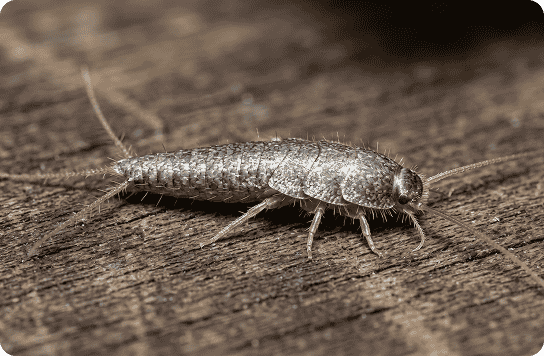
Older properties are especially vulnerable because time naturally creates gaps around foundations, windows, rooflines, and utility penetrations. In these properties, carpenter ants, mice, and spiders may move in through tiny cracks or damaged materials. Basements in older North York homes can also hold moisture, which attracts silverfish and supports nesting activity for rodents if food sources are nearby.
Apartment buildings and apartment buildings face a different kind of pressure. Shared walls, garbage rooms, loading areas, and underground parking can create hidden pathways for cockroaches, bed bugs, and mice. In multi-unit settings, pests rarely stay in one suite for long, which is why property management often needs coordinated local pest control rather than isolated unit-by-unit treatment.
Seasonal weather changes across Toronto and the GTA also drive pest movement. Spring and fall are especially active periods. As temperatures warm, ants become more visible and rodents begin moving through wall voids and utility chases. In the fall, mice, rats, and other overwintering pests search for warmth and shelter indoors. This seasonal pest activity means North York residents often need prevention and monitoring before an infestation becomes obvious.
In North York, pest pressure often reflects the building type as much as the pest itself. A condo tower, an older bungalow, and a townhome complex can each need a very different control strategy.
Common pests across North York homes and businesses
North York homes and businesses commonly deal with ants, cockroaches, mice, rats, bed bugs, wasps, spiders, and silverfish. Effective pest control North York properties can use depends on properly identifying https://mosquitoman.ca/pest-control/north-york/ which pest is present and where it is getting into the building.
Ants are one of the most frequent concerns in kitchens, basements, and around exterior foundations. In many cases, the issue is not just a few wandering insects. It can be an ant trail connected to a nest hidden in a wall, yard edge, or cracked slab. Carpenter ants require extra attention because they can damage damp or softened wood over time.
Cockroaches are highly problematic in apartment buildings, condos, restaurants, and other commercial pest control settings. They thrive where food residue, moisture, and hidden harbourage areas exist. A single sighting may be a sign that more are living behind appliances, in wall voids, or in utility areas.
Mice and rats are frequent intruders in basements, garages, storage rooms, and around building perimeters. Rodent control becomes especially important in North York during colder months, when mice and rats seek warmth and shelter. Droppings, gnaw marks, grease trails, and scratching sounds are usual indicators.
Bed bugs can appear in homes, condos, rental units, and even commercial spaces where luggage, clothing, or used furniture moves between locations. Because they spread easily in multi-unit buildings, professional pest control is often needed quickly to prevent a wider pest infestation.
Wasps are a seasonal concern around eaves, decks, balconies, and exterior voids. They may become aggressive if nests are disturbed. Spiders often indicate other insect activity nearby, while silverfish usually point to humid areas, cardboard storage, or damp basements. In many North York properties, these pests are not random visitors; they are a symptom of conditions that need a more complete inspection and sanitation review.
For many businesses, especially food service venues, office spaces, retail units, and service sites, a strong commercial pest control strategy is vital. Bug control and rodent management are not just minor inconveniences; they affect reputation, compliance, and daily operations.
Warning signs you may need expert pest control
Some people realize a pest problem only after it has grown larger than it first seemed. The sooner you spot the signs of pests, the easier it is to prevent a larger infestation and minimize damage.
Droppings are one of the strongest warning signs. Mouse droppings are often found along baseboards, behind appliances, in cupboards, or near food storage areas. Rat droppings are larger and may appear near storage rooms, garages, or basement pathways. Droppings usually mean pests are active now, not just passing through.
Bite marks on food packaging, wiring, insulation, wood, or plastic indicate rodents are there. If you see chew damage around baseboards, pipes, or cabinet corners, there may be a hidden route nearby.
Openings are another major concern. These can include gaps around pipes, cracks in foundations, damaged door sweeps, utility openings, or loose trim. Even small openings can let mice, ants, and other pests inside. In condominiums and townhomes, entry points may exist in shared utility spaces, balconies, or around garage access areas.
Nest building can include shredded insulation, paper, fabric, or soft materials tucked into wall voids, storage areas, and basements. This is especially important in older homes and low-rise buildings where pests may have quiet, undisturbed spaces to breed.
Additional warning signs include musty odours, grease marks, dead insects in window tracks, live insects near food, or unexplained bites that may suggest bed bugs. If any of these signs repeat, professional pest control is often the safest next step. A licensed technician can confirm the problem through a thorough inspection process and recommend the right treatment path.
How pest control services work in North York
Good pest control is not just spraying a product and expecting for the best. In North York, effective service is usually built around assessment, precise treatment, exclusion, and follow-up service. That approach is central to integrated pest management, which focuses on fixing the root cause instead of simply reacting to visible pests.
The inspection is the first step. A trained technician checks where pests are active, how they are traveling, and what conditions are allowing them. In condos, that may include looking at kitchens, laundry rooms, utility spaces, garbage rooms, and shared hallways. In older homes and basements, the technician may inspect foundation cracks, sump areas, storage rooms, and moisture-prone spots.
After that comes the treatment plan. A custom treatment plan should fit the pest species, the property type, and the severity of the problem. For example, bed bugs may require a very different approach than ants or cockroaches, and rodent control usually needs a combination of trapping, sanitation, and exclusion services.
Exclusion is one of the most important long-term prevention tools. It means sealing entry points, repairing access gaps, improving door and window seals, and making the property less accessible to pests. In North York condos, exclusion can also involve coordination with property management for common areas, garbage rooms, and shared mechanical spaces.
Many treatments are supported by follow-up service. This matters because recurring pest problems are common when the surrounding conditions remain favourable. Follow-up visits help confirm whether the pest population is declining, whether the treatment needs adjustment, and whether new entry points have appeared.
All of this should be done in line with Ontario pesticide regulations and any relevant Toronto-wide bylaw or property standards that affect pest control practices. A responsible provider will use only approved methods and explain how treatments fit the property’s needs while keeping safety top of mind.
Tips for prevention for North York properties
Avoiding pests is always simpler than dealing with a full pest infestation later. North York property owners can lower their risk with a combination of homeowner tips and regular sanitation practices.
Food storage is more important than many people realize. Store pantry items in sealed containers, avoid leaving pet food out overnight, and clean crumbs or spills quickly. In multi-unit properties, even a small amount of accessible food can attract ants, cockroaches, mice, and rats.
Garbage management is especially essential in condos, townhomes, and commercial property settings. Garbage rooms, dumpster areas, and recycling spaces should be kept clean and closed properly. Overflowing bins, leaking bags, and long storage times can all draw pests. In North York buildings with underground parking or shared loading areas, improper waste handling often becomes a pathway for infestation.
Sealing cracks is one of the most effective long-term measures. Check exterior walls, around utility lines, along windows, and where foundations meet siding or brick. Even small gaps can let in mice, ants, and other pests. This is especially important in older North York homes and basement suites where structural wear can create hidden access points.
Moisture control is another major factor. Fix leaks, ventilate bathrooms and laundry areas, and reduce dampness in basements. Moisture attracts silverfish, supports cockroach activity, and can make wood more attractive to carpenter ants. In townhomes and low-rise buildings, proper drainage and dehumidification can make a noticeable difference.
To prevent pests from returning, combine sanitation, exclusion, and regular inspection. This integrated pest management mindset is one of the best ways to protect both residential pest control and commercial pest control settings over the long term. It also helps preserve peace of mind, especially in properties where pest risks can spread through shared spaces.
When to call a local pest control company
Some pest issues can be managed with routine maintenance, but many situations call for professional pest control. If you are dealing with repeated infestations, the problem is usually more extensive than the surface symptoms. Ongoing sightings of ants, mice, cockroaches, or bed bugs often mean there is an ongoing source nearby.
Multi-unit buildings are another strong reason to call for help. In condominiums, apartments, and townhomes, pests can move between suites, floors, and shared service areas. One untreated unit or one neglected garbage room can undermine everyone else’s efforts. This is why property management often needs a combined response rather than isolated treatments.

Health risks are also a major factor. Cockroaches can affect indoor air quality and trigger sensitivities. Rodents can contaminate food and surfaces. Bed bugs can create stress and sleep disruption. Wasps can be dangerous when nests are disturbed. If the situation is affecting daily life, it is time for a professional inspection.
A local pest control company can also help when you are not sure what you are dealing with. A technician may find the source of the issue more quickly, recommend safe treatment options, and explain whether the concern is seasonal pest activity or a deeper structural problem. That clarity is helpful in North York, where building types vary so much from block to block.
Choosing the right pest control provider in North York
Selecting the best provider is important as much as picking the most suitable treatment. Look for licensed technicians who are familiar with both the pests and the property types common in North York. A provider with local experience is more likely to appreciate the challenges of older homes, dense condo corridors, underground parking, and mixed residential-commercial streets across the district.
Ask whether the company follows Ontario pesticide regulations and uses methods proper for the property. The top providers avoid a single quick fix. They should explain their inspection process, pinpoint the source of the pest problem, and present a custom treatment plan with defined next steps.
Treatment guarantees deserve to be discussed, especially for issues like bed bugs, cockroaches, or mice where follow-up may be necessary. An effective guarantee should be practical and straightforward, not vague. It should also spell out what the provider will do if the problem continues after treatment.
Regional experience is particularly useful for business pest control and building management requirements. A company that is familiar with North York’s mix of retail plazas, office spaces, apartments, and townhomes is better prepared to provide tailored solutions that succeed in real-world conditions. It also helps when technicians are experienced with seasonal pest activity in Toronto and the broader GTA.
If you want long-term prevention instead of quick results, select a service that prioritizes integrated pest control, hygiene measures, exclusion services, and practical tips for homeowners. That approach is better positioned to address the present issue and reduce the chance of returning pest concerns later.
FAQ about pest control in North York
What does pest control in North York usually cost?
Price considerations often depend on which pest is involved, the size of the property, the level of infestation, and whether follow-up service is needed. Bed bugs, cockroaches, and rodents can require more involved treatment than a small ant issue. Condo units, townhomes, basements, and commercial property may also influence pricing because access and coordination needs can differ. A professional assessment is the ideal way to receive an accurate estimate.
What pests are most common in North York throughout the year?
Throughout the year concerns in North York often include mice, rats, cockroaches, ants, bed bugs, spiders, and silverfish. Seasonal pest activity changes what is most visible, but these are the pests most likely to cause recurring pest problems in homes and businesses. In shared buildings, cockroaches and rodents are especially persistent because they can move through common areas and hidden routes.
Are pest control treatments safe for children and pets?
Many modern pest control options are designed with safety in mind when applied correctly by a licensed technician. The safest approach is to ask about the treatment method, any preparation required, and how long to stay away from treated areas if needed. Safe treatment should always be matched to the pest, the property, and Ontario pesticide regulations. Eco-friendly options may also be available depending on the situation.
How quickly can a pest control company respond in North York?
Response times can vary depending on the company’s schedule, the pest involved, and the urgency of the problem. Some cases, such as bed bugs, rats, or active cockroach infestations, may require faster attention because they can spread quickly. A local pest control company in North York is often better positioned to offer prompt service across nearby Toronto and GTA neighbourhoods.
What can I do to prevent pests from coming back?
The best long-term prevention combines sanitation, food storage, garbage management, moisture control, and sealing entry points. You should also monitor for signs of pests early, keep basements dry, and maintain regular inspections if your building has recurring pest problems. In condos and townhomes, working with property management on exclusion and common-area cleaning can make a major difference in keeping pests from returning.