Are You Looking for Pest Control for a Townhouse in Windsor?
If you reside in a townhouse in Windsor, ON, pest control is frequently more than a “nice to have.” Attached structures, attached housing, and the way pests move through multi-unit buildings can make a townhouse at greater risk than a detached home. That does not mean every townhouse has a major infestation, but it does mean the risk factors are different, and prevention matters.
For many homeowners and renters, the real question is not whether pests can get in, but how quickly you should act when you see activity. In a townhouse setting, one unit’s problem can become a neighbour’s problem fast, especially when entry points, moisture, and food sources are present. A local pest control windsor approach focuses on evaluation, exclusion, sanitation, and monitoring so small issues do not turn into recurring ones.
Reasons why townhouses in Windsor experience distinct pest risks
Townhouses have a specific layout that can cause pest management more complicated than in single-family homes. The primary difference is the presence of shared walls and attached units. Pests do not care which unit owns the wall; they move toward harborage, warmth, food, and moisture wherever they can find it.
In a townhouse or condominium townhouse, pests may spread through gaps around plumbing, utility lines, vents, baseboards, or attic and basement connections. Even if your own unit is clean, activity in the neighbouring unit can still affect you. That is why townhouse pest control often starts with a good inspection checklist instead of a quick spray-and-go treatment.
Property management can also play a key role. In multi-unit residential buildings, the response time matters. If management acts quickly, coordinates access, and arranges professional inspection for affected units, the problem is easier to contain. If delays happen, the infestation can spread through attached housing and become more difficult to resolve.
Windsor’s seasonal pest activity adds another layer. Warmer, humid conditions near the Detroit River can support insect activity during spring and summer, while cooler months push rodents indoors looking for shelter. That means townhouse owners often see shifting pressure through the year rather than one constant issue.
What pests are most frequently seen in Windsor townhouses?
Several pests appear often in Windsor townhouse homes, and each one responds a little differently. The main concerns include ants, mice, cockroaches, and spiders, but other pests can also appear depending on the building and neighbourhood.
Ants are a common hot-weather nuisance. They enter through tiny cracks and follow scent trails to food and moisture. In East Windsor, South Windsor, and central multi-unit areas, ants may show up around kitchens, bathroom sinks, and baseboards once temperatures rise.
Mice are one of the main concerns in townhouse settings because they can squeeze through very small entry points. Once inside, they may nest in walls, insulation, cupboards, or storage areas. Chewed wires, gnawed packaging, and droppings are common warning signs. Rodent control is especially important in winter when mice move indoors for warmth.
Cockroaches can be tougher to manage because they reproduce quickly and hide in cracks, behind appliances, and around moisture sources. They are often linked to sanitation issues, but even well-kept homes can experience activity if a nearby unit has an active infestation.
Spiders are often a sign that other insects are present, since spiders follow prey. They may not always indicate a severe problem, but increased sightings around windows, corners, and basements can suggest there is enough insect activity to support them.
Other pests can matter too. Silverfish are drawn to humidity and paper products. Wasps may nest around rooflines, soffits, and balconies during warmer months. Bed bugs are a separate concern, but they can spread in attached housing through shared walls, hallways, or furniture movement. In a townhouse, even one resident’s issue can affect the whole row if monitoring is not handled properly.
Signs you may need pest control in a townhouse
Early warning signs of a pest problem are often easy to miss. When you know what to look for, you can act before the issue develops into a bigger infestation. In townhouse units, these signs often appear first in kitchen areas, basements, laundry rooms, utility closets, and around shared walls.
The clearest clue is droppings. Mouse droppings, cockroach specks, or small pellets in cabinets, behind appliances, or along baseboards usually mean pests are active nearby. Droppings are not just a nuisance; they are sign that animals or insects are living close to your food and storage areas.
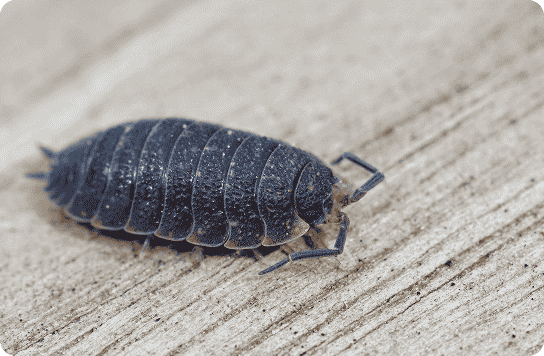
Chewed materials are another red flag. Mice may chew cardboard, food packaging, insulation, and even chewed wires, which can create a safety risk. If you notice shredded paper, torn insulation, or gnawed corners on stored items, it is worth addressing the problem quickly.
Sightings also count. Seeing one mouse, one roach, or a cluster of ants does not always mean a large infestation, but repeated sightings usually point to ongoing activity. If you keep spotting pests in the same area, the source may be close by.
Look closely for entry points. Small cracks near windows, pipe penetrations, utility openings, garage thresholds, door sweeps, and foundation gaps can all serve as access routes. In many cases, pests are not “breaking in”; they are entering through openings that have been left unchecked during routine maintenance.
Other signs include scratching in walls, unusual odours, nesting material in hidden spaces, or grease marks along walls where rodents travel. A solid inspection can help identify where the activity is coming from and whether it is limited or shared with a neighbouring unit.
Once DIY pest management is enough and when it is not enough
DIY pest management can assist in some townhouse situations, especially when the issue is minor and caught quickly. If you are seeing a few ants or want to prevent mice from entering, simple preventive measures can make a noticeable impact. Still, there are clear limits to what home treatment can do.
Bait stations can be helpful for some ant and rodent problems, especially when used properly and placed where pests travel. However, bait alone will not solve an ongoing issue https://oakville-onbh011.wpsuo.com/conditions-in-windsor-on-month-by-month-temperatures-and-seasonal-overview if pests are still getting in or if the source is in a wall cavity or nearby unit.
Seal cracks wherever you can safely do so. Caulking around gaps, repairing screens, installing door sweeps, and sealing utility openings are key exclusion steps. This is one of the most crucial parts of townhouse pest control because it reduces access and helps keep activity from returning.
Sanitation is just as critical. Food crumbs, pet food left out overnight, standing water, and clutter all create conditions pests like. A clean home is not a guarantee against infestation, but good sanitation removes food and nesting opportunities that attract pests in the first place.
DIY is usually enough for basic prevention or very early activity. It is not enough when you see recurring signs, multiple pests, or evidence inside walls or shared spaces. If the problem continues after you clean, seal, and monitor, a professional inspection is the next step. A professional can identify hidden harborage, check the building structure, and recommend focused treatment rather than guesswork.
How townhouse ownership or tenancy affects pest responsibility in Ontario
In Ontario, who deals with pest control depends on the kind of property and the type of the issue. This is where townhouse living can get confusing, especially when the building sits somewhere between a single home and a condo-style community.
If you are a tenant, your responsibilities usually include keeping the unit reasonably clean, notifying pest activity promptly, and following treatment instructions. You may need to prepare the unit, remove clutter, or follow sanitation steps before and after service.
If you are a landlord, you generally have a responsibility to look after the rental unit and address pest problems that affect habitability. That includes arranging treatment when needed and making sure the issue is handled properly and in a timely way.
For a condominium corporation, the responsibility may be shared between the unit owner and the corporation depending on where the problem originates. If pests are coming from common elements, a shared wall, or a building-wide issue, property management or the corporation may need to coordinate service for affected areas.
The key point is that Ontario rules can vary based on whether the issue is in a rental unit, private townhouse, or condominium townhouse. When in doubt, note the signs, report them quickly, and ask who is responsible for the inspection and treatment. Fast communication helps avoid delay and prevents a small infestation from becoming a bigger multi-unit problem.
How pest control Windsor services handle townhouse infestations
Experienced pest control Windsor services generally begin with a careful inspection. In townhouse cases, that means inspecting not only inside the unit, but also at the exterior, shared walls, basement lines, utility access, and any points where pests could be entering or nesting. A careful inspection helps pinpoint the source rather than just the symptom.
From there, a technician develops a treatment plan based on the pest, the building structure, and the level of activity. For mice, the plan may include rodent control measures, bait placement, exclusion work, and monitoring. For ants or cockroaches, the treatment may involve targeted applications, baiting, and sanitation guidance. For bed bugs, the response will be different again, often requiring multiple visits and careful preparation.

Quality service does not end with the first visit. Follow-up service matters because pests can survive initial treatment, and recurring activity is common in multi-unit housing if entry points or nearby sources are still present. Follow-up helps confirm whether the treatment is working and whether additional action is needed.
The most effective approach is integrated pest management. IPM combines inspection, prevention, monitoring, exclusion, sanitation, and targeted treatment. Instead of relying on chemicals alone, it looks at the entire environment. That is especially useful in townhouse settings, where the root cause may be structural rather than purely behavioural.
For homeowners and tenants in Windsor, ON, this approach makes practical sense. A professional can explain what needs immediate action, what can be monitored, and what long-term prevention steps will reduce future activity.
Area Windsor factors that can raise pest problems
Windsor has several local conditions that render pest problems more common in some townhouse communities. One of the biggest is the climate influence near the Detroit River. Milder, humid conditions can support insect activity and create moisture concerns that attract pests like ants, cockroaches, and silverfish.
Older residential housing stock is another factor. Numerous older neighbourhoods have buildings with more settling, more gaps, and more opportunities for entry points. In older townhouse rows, small cracks, aging seals, and shared utility paths can make prevention more difficult if maintenance is not regular.
Winter rodent activity is likewise important in Windsor. As temperatures drop, mice and similar pests often enter homes in search of shelter and a nesting area. Townhouses in dense neighbourhoods may notice increased issues during colder months because rodents can travel from one unit to another through gaps and hidden pathways.
Multi-family housing boosts the chances that pests can spread rapidly. In tightly packed Windsor neighbourhoods, including parts of central Windsor and other attached residential developments, one unit’s activity can quickly affect neighbouring homes. For this reason a combined response through property management or a condo board is highly valuable.
How to prevent pests in a Windsor townhouse year-round
Preventing problems is easier and less disruptive than handling a recurring infestation. A steady routine can lower pest risk in every season and help keep your townhouse in better shape overall.
Start with food storage. Leave pantry items airtight, place dry goods in hard containers, and don’t leave pet food out overnight. Pests are driven by available food, so cutting access keeps your home less appealing.
Focus on humidity management. Fix leaks, turn on exhaust fans, keep dry damp areas, and check basements, laundry rooms, and under-sink cabinets regularly. Moisture encourages activity from insects and can also lead to nesting conditions for rodents.
Schedule screen repair and additional simple maintenance. Ripped window screens, broken vent covers, absent door sweeps, and gapped utility gaps all provide easy access routes. Even minor repairs can make a major difference in exclusion.
Practice sensible garbage management. Clear bins regularly, leave lids closed, rinse recyclables when needed, and avoid letting waste sit indoors for long periods. If your townhouse has shared garbage or recycling areas, stay alert for overflow or spill conditions that can attract pests.
It also helps to do a simple seasonal check. In spring and summer, watch for ants and wasps around exterior walls, patios, and rooflines. In fall and winter, inspect for rodent signs in basements, utility rooms, and garages. That seasonal awareness gives you an advantage before pests settle in.
For many Windsor townhouse owners and renters, a yearly prevention routine plus periodic inspection is enough to avoid major issues. But if you notice repeated activity, do not wait. Early action is almost always easier than dealing with a larger infestation later.
FAQ: pest control for townhouses in Windsor
Do townhouses in Windsor need regular pest control?
Not every townhouse needs constant treatment, but regular pest control Windsor inspections are often a smart choice because shared walls, attached housing, and seasonal pest activity can increase risk. If your unit has had prior issues, sits in a dense multi-unit area, or shows repeated signs of pests, ongoing monitoring is a good idea.
What pests are most common in Windsor townhouse homes?
The most common pests in Windsor townhouse homes are mice, ants, cockroaches, and spiders. Depending on the season and building conditions, you may also see silverfish, wasps, and bed bugs. The exact risk depends on moisture, entry points, sanitation, and whether neighbouring units have activity.
Who is responsible for pest control in an Ontario townhouse or condo?
Responsibility depends on the property type and the source of the issue. A landlord is usually responsible for rental-unit pest problems, while a tenant must report issues and keep the space reasonably clean. In a condominium townhouse, the condominium corporation or property management may be responsible for common areas or shared building issues. Ontario rules can vary, so documentation and prompt reporting matter.
Can one townhouse unit cause pests in neighbouring units?
Yes. In a shared-wall setting, one unit can absolutely cause pest activity in neighbouring homes. Pests can move through entry points, wall voids, and utility spaces. That is why shared infestations often need coordinated inspection, treatment, and follow-up rather than a single-unit response.
How often should a Windsor townhouse be inspected for pests?
For many homes, an annual inspection is a sensible starting point, with extra checks during seasonal pest activity or after any sign of infestation. If you live in a condo-style or attached townhouse with a history of recurring issues, more frequent monitoring may be worth considering. The right schedule depends on the risk factors in your building and neighbourhood.
Mosquito Man Windsor
2485 Front Rd, LaSalle, ON N9J 2C5, Canada
+1 226-526-4711
https://maps.app.goo.gl/JwhSC65zfbLWNH6v7
https://mosquitoman.ca/pest-control/windsor/
42.2161228, -83.1003005